How to Choose an Assisted Living Community in Melbourne, Florida
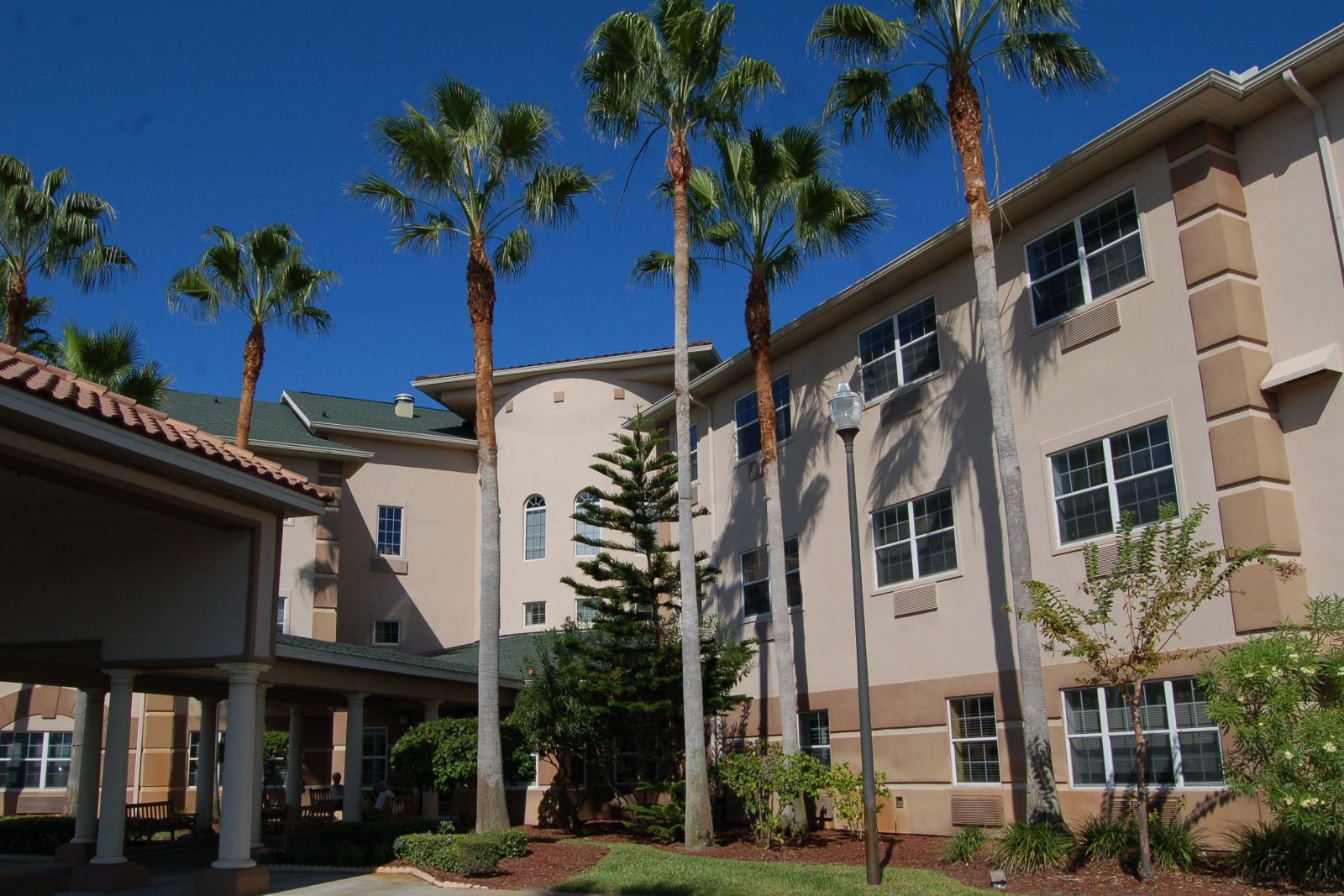
Brevard County has many assisted living communities, stretching from Titusville to Palm Bay, and Melbourne alone offers a wide range of sizes and styles. That variety means you can probably find a good fit for your parent. It also means the search can feel overwhelming. This guide breaks the process into clear steps, from understanding your parent's needs to checking a Florida license and signing an agreement with confidence.
Step 1: Write down your parent's needs
Start with a list:
- Daily care: bathing, dressing, grooming, toileting
- Mobility: walking, transfers, falls
- Medications: how many, how often, missed doses
- Memory: confusion, wandering, unsafe decisions
- Health: diabetes, heart or lung disease, any nursing needs
- Social life: interests, faith, friends, loneliness
Ask your parent's doctor to review it. The list will help you judge which communities can meet your parent's needs today and in a year or two.
Step 2: Understand Florida's license types
Every Florida assisted living facility holds a standard license from the Agency for Health Care Administration. Some also hold specialty licenses: Extended Congregate Care, which lets residents age in place with more help; Limited Nursing Services, which allows certain nursing care by licensed nurses; and Limited Mental Health (AHCA, Assisted Living in Florida guide, PDF). Knowing which licenses a community holds tells you a lot about the care it can provide. Our explainer on Florida assisted living licenses goes deeper.
Step 3: Set a budget
CareScout's 2025 survey reports a median of $5,925 a month for assisted living in the Palm Bay-Melbourne-Titusville area (CareScout Cost of Care tool). Add up your parent's income and savings, and look into VA benefits, long-term care insurance, Florida's SMMC Long-Term Care program, and Optional State Supplementation. Our guide to paying for assisted living in Melbourne explains each.
Step 4: Build a short list
Ask your parent's doctor, friends, and faith community for suggestions. Senior Resource Alliance's Elder Helpline, 1-800-963-5337, can point you to resources in Brevard County (Senior Resource Alliance).
Think about location. A community close to the family members who will visit most, and to your parent's doctors, church, and favorite places, makes the transition easier. In Melbourne, consider the drive across the causeways if family lives on the beachside, and how close each community is to the hospital your parent uses.
Step 5: Look up each facility
AHCA's FloridaHealthFinder.gov lets you look up any licensed assisted living facility. AHCA says facility profiles show license type, Medicaid eligibility, and inspection reports. Read the most recent reports and note how any problems were corrected.
Step 6: Tour more than once
Visit each community on your short list, ideally with your parent, and allow at least an hour. Then return at a different time, such as during a meal or an afternoon activity. Notice:
- How staff speak to residents, and whether they use names
- Whether residents seem engaged or idle
- Cleanliness and odors
- The quality of a meal
- How the building handles Florida heat: shade, air conditioning, and outdoor seating
Our assisted living tour checklist for Melbourne has questions to bring.
Step 7: Ask the hard questions
- How do you assess residents, and how often?
- How many staff are on duty during the day and overnight?
- How are medications handled?
- What happens in an emergency, and which hospital do you use?
- What is your hurricane plan? Do you shelter in place or evacuate?
- When would a resident be asked to move out?
- How much notice do you give before raising rates?
Florida's AHCA guide says facilities must give at least 30 days' written notice before a rate increase.
Step 8: Talk with current families
If a community allows it, ask to speak with a family whose relative lives there. Ask what surprised them, how staff communicate changes, and how problems were handled. Weigh what you hear alongside your own observations.
Step 9: Read the contract
Review the residency agreement carefully. Look at what is included, how care levels and rates work, notice requirements, and discharge policies. An elder law attorney can review it.
Step 10: Involve your parent and plan the move
Let your parent have a voice. People adjust better when they help choose. Once you decide, work with staff on a move-in date and care plan, and bring familiar furniture and photographs.
Special considerations on the Space Coast
Brevard families often weigh a few local factors. Many retirees here moved from other states, so adult children may live far away and visit only a few times a year. If that describes your family, ask how each community communicates with distant relatives, whether it offers video calls, and who your main contact will be. Seasonal residents may also want to know whether short stays are possible while they decide. And for veterans, ask whether the community can help with transportation to the VA clinic in Viera or other appointments.
Step back and compare
Once you have toured two or three communities, set your notes side by side. Rate each on care, staff warmth, cleanliness, food, activities, location, and cost. The totals will not decide for you, but they make differences easier to see and to discuss with siblings who could not come along.
Thinking about the future
Your parent's needs may change. Ask how each community supports residents whose needs grow: whether it holds an Extended Congregate Care license, whether memory care is available on site, and what would trigger a move. A community that can adapt may spare your parent a second move. Value honest answers about limits.
Red flags
- Staff who cannot answer basic questions about care or costs
- Reluctance to share license or inspection information
- Pressure to sign quickly
- Residents who seem unkempt or unattended
- Persistent odors or obvious safety hazards
- A vague or missing hurricane plan
If you have a concern about a Florida assisted living facility, AHCA takes complaints at 1-888-419-3456, and the Florida Long-Term Care Ombudsman Program offers free help (Florida Long-Term Care Ombudsman Program).
Trust your instincts
After each tour, ask yourself whether you can picture your parent at that dining table, in that courtyard, with those caregivers. Your gut feeling, combined with the facts you have gathered, is often a reliable guide.
Visit Hibiscus Court
Hibiscus Court is at 540 East Hibiscus Boulevard in Melbourne and offers assisted living, memory care, and respite. Explore our suites and amenities, then call (321) 447-2934 to schedule a visit.
Frequently asked questions
How do I check an assisted living facility in Florida?
Look it up on FloridaHealthFinder.gov, where AHCA says profiles show license type, Medicaid eligibility, and inspection reports.
What license types should I look for?
Every facility has a standard license. Extended Congregate Care, Limited Nursing Services, and Limited Mental Health licenses allow additional services.
How many communities should we tour?
Two or three is a good number for most families. Visit each more than once, at different times of day.
Who can help Brevard families compare options?
Senior Resource Alliance's Elder Helpline, 1-800-963-5337, serves Brevard County.